Skip to content
Biotech Associates

For manufacturers

Enter Bangladesh through relationships that already exist.

Bangladesh requires a local licence holder for every registered medical device — and permits only one at a time. Choosing that partner is a decision worth getting right.

Start a conversation
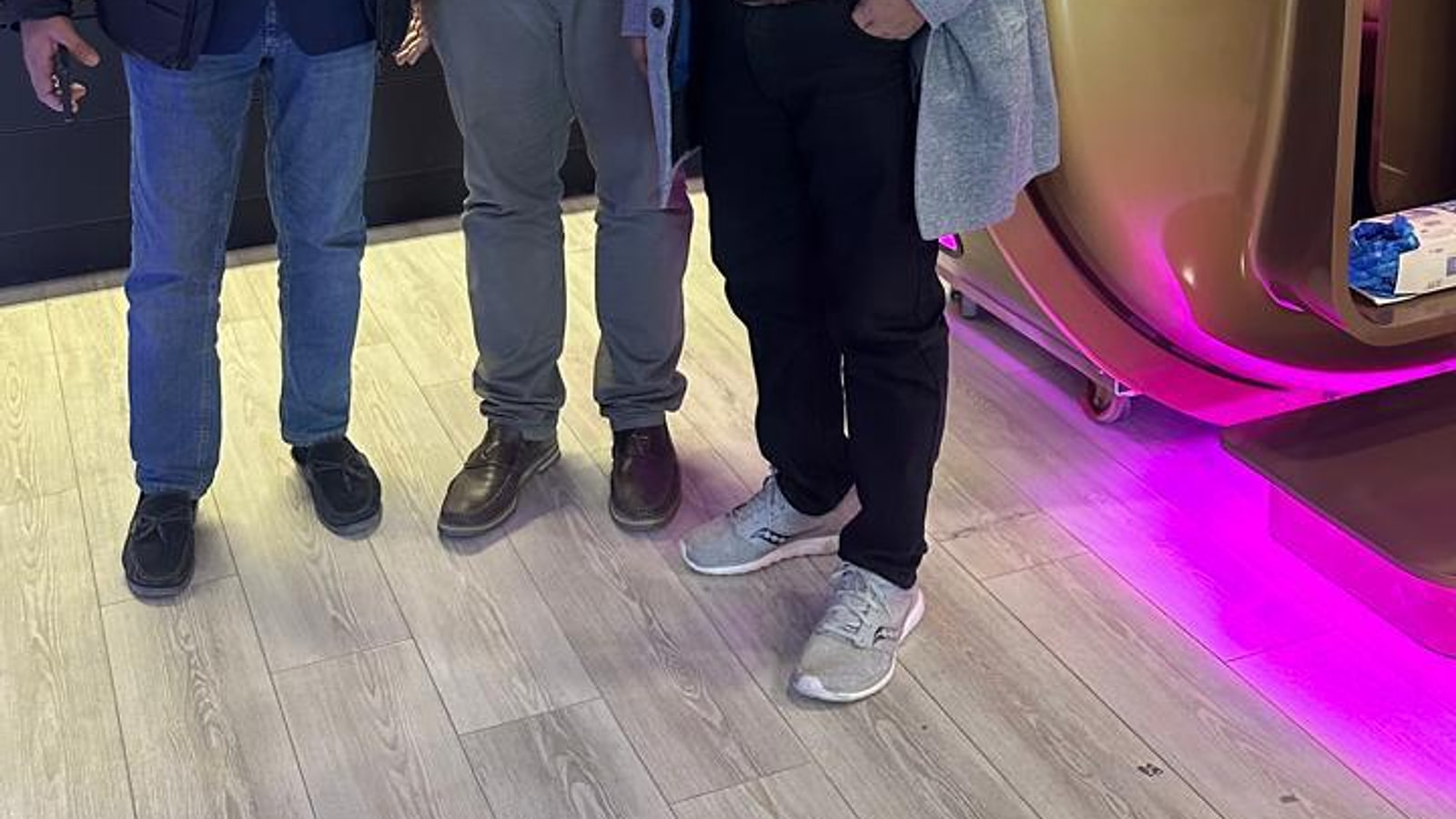
Biotech Associates directors visiting an international manufacturer's facility

The context

What appointing a Bangladesh partner actually involves

Under the Drugs and Cosmetics Act 2023, medical devices and IVD reagents must be registered with the Directorate General of Drug Administration before they can be imported or sold. That application must be submitted and held by a licensed local entity acting as your authorised representative.

Class B, C and D devices require ISO 13485 certification, CE marking or an equivalent, and a Certificate of Free Sale attested by the Bangladesh embassy. The process runs in two stages and typically takes several months.

Only one licence holder is permitted per device at a time. Your Bangladesh partner is therefore not one channel among several — they are the channel.

Why us

What you get from day one

01

Relationships that already exist

Our partners hold direct manufacturer relationships across eight countries built over nearly three decades, plus institutional access to defence, government, medical college and UN-agency buyers that takes years to establish.

02

Engineering capacity, not just import

An in-house team with a 56+ installation record can install, commission, service and train — so your equipment performs in the field and reflects well on your brand.

03

Regulatory capability

Registration under the Drugs and Cosmetics Act 2023 requires a local licence holder and a precise documentation set. Our partners have been navigating DGDA and DGDP processes for years.

04

Clinical insight at partner level

One of our directors is a currently practising clinician. Your product is assessed against real treatment settings, and represented by someone who can speak to clinicians as a peer.

05

Financial and compliance discipline

Our CFO grew a medical equipment business more than eight-fold in five years while maintaining DGDP, WHO, UNICEF and UNDP enlistment — growth managed alongside compliance, not at its expense.

Institutional access

Where your equipment would reach

Defence & government
DGDP-enlisted; supply to Army, Navy, Air Force and Border Guard hospitals
Academic & tertiary
BSMMU, Dhaka, Rajshahi, Chittagong, Sylhet Osmani, Rangpur and Sher-E-Bangla Medical Colleges
Specialist centres
National Cancer Institute, Neurosciences, Ahsania Mission Cancer, Delta and Sheikh Hasina Burn Institute
UN & development
WHO, UNICEF, UNDP, Save the Children, SMC and Biman Bangladesh Airlines

How it works

From first conversation to first installation

  1. Introduction

    You tell us the product, the target specialty and your expectations for the market. We tell you honestly whether we are the right fit.

  2. Assessment

    We assess clinical demand with our practising-clinician partner and map the realistic institutional buyers, including tender routes.

  3. Agreement

    Distribution or exclusive representation terms, with the authorisation documentation needed for DGDA registration.

  4. Registration

    We prepare and submit the DGDA application, hold the licence and manage the compliance documentation set.

  5. Market entry

    Introduction to buyers, tender participation, demonstrations and clinical engagement.

  6. Installation & support

    Our engineers install, commission, train users and maintain the equipment — so your brand performs in the field.

Considering Bangladesh?

Tell us about your product and we will respond with an honest assessment of the opportunity and how we would approach it.

Contact our directors